La più recente
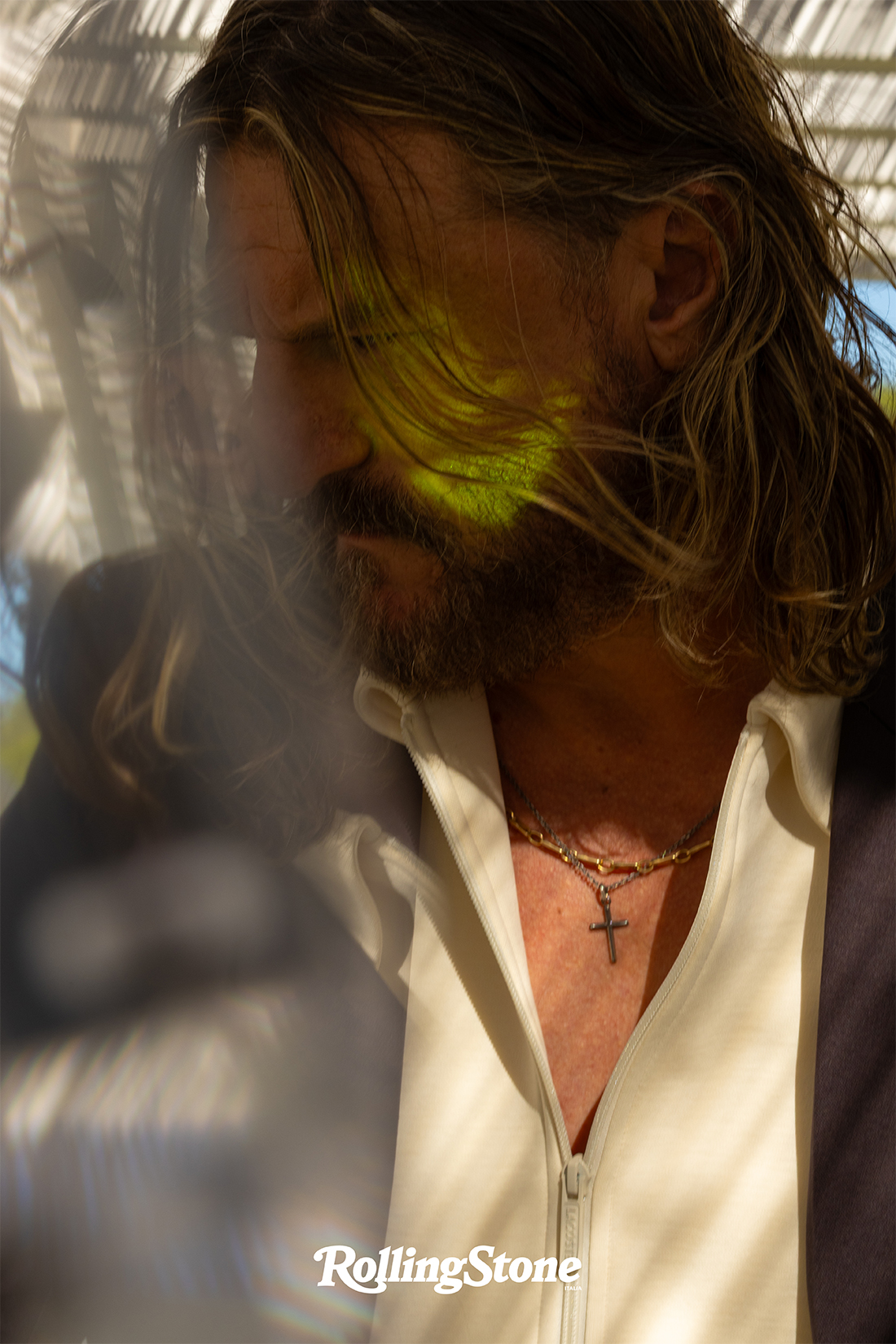
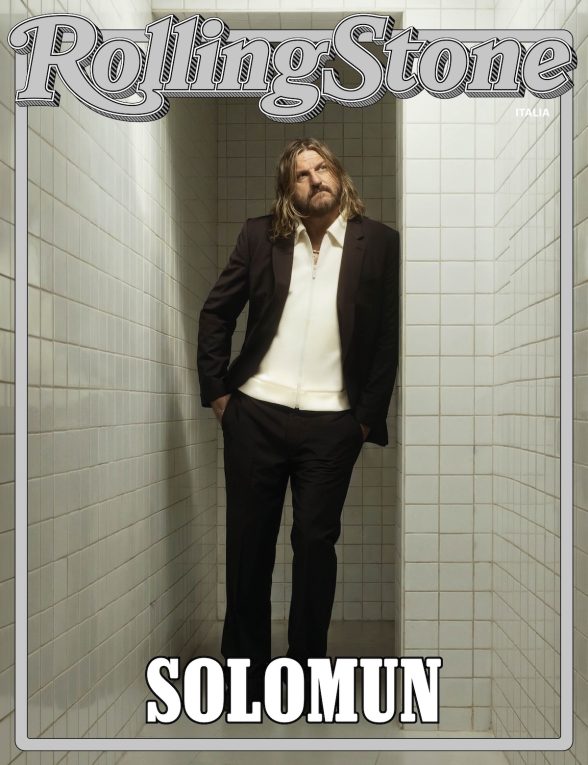
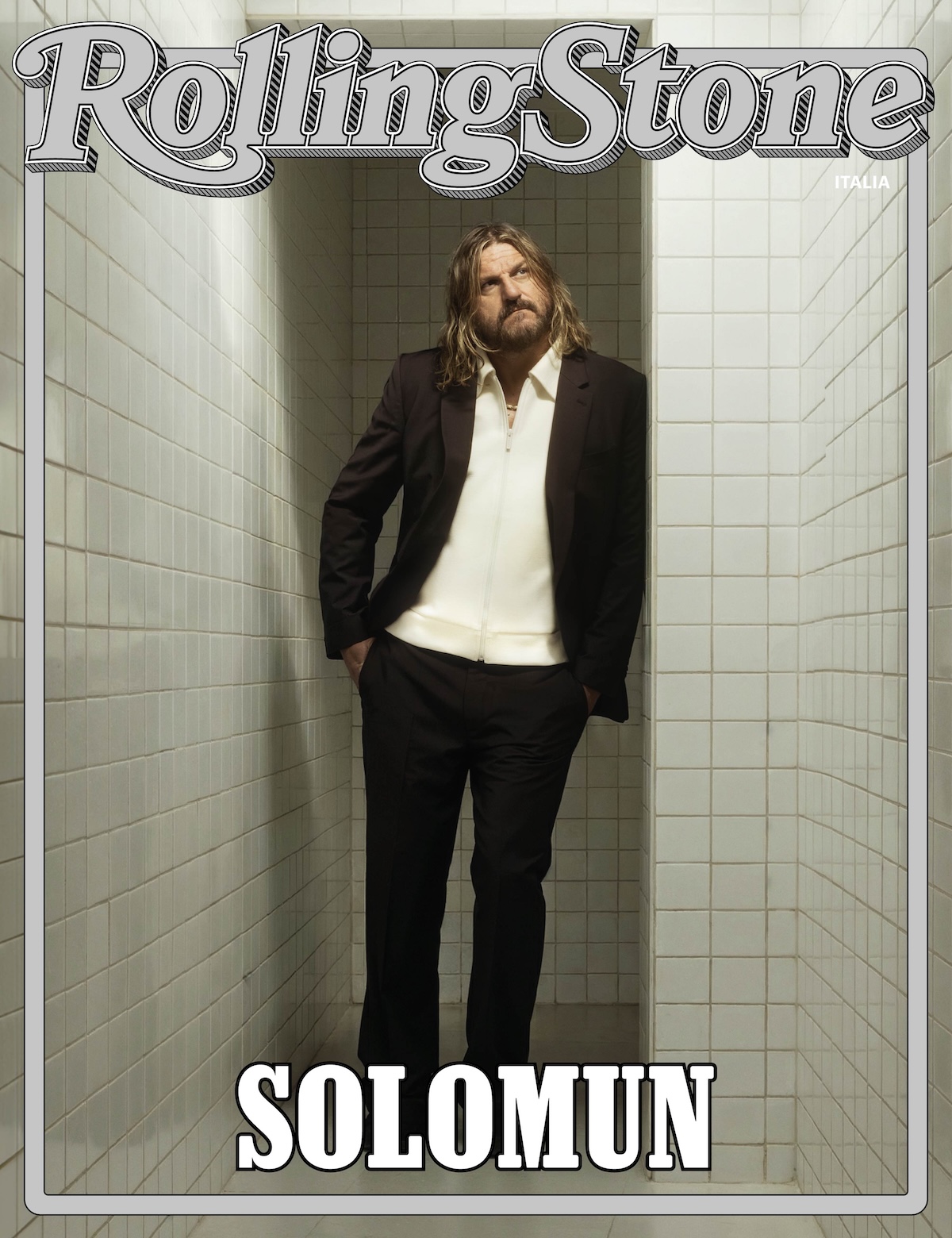
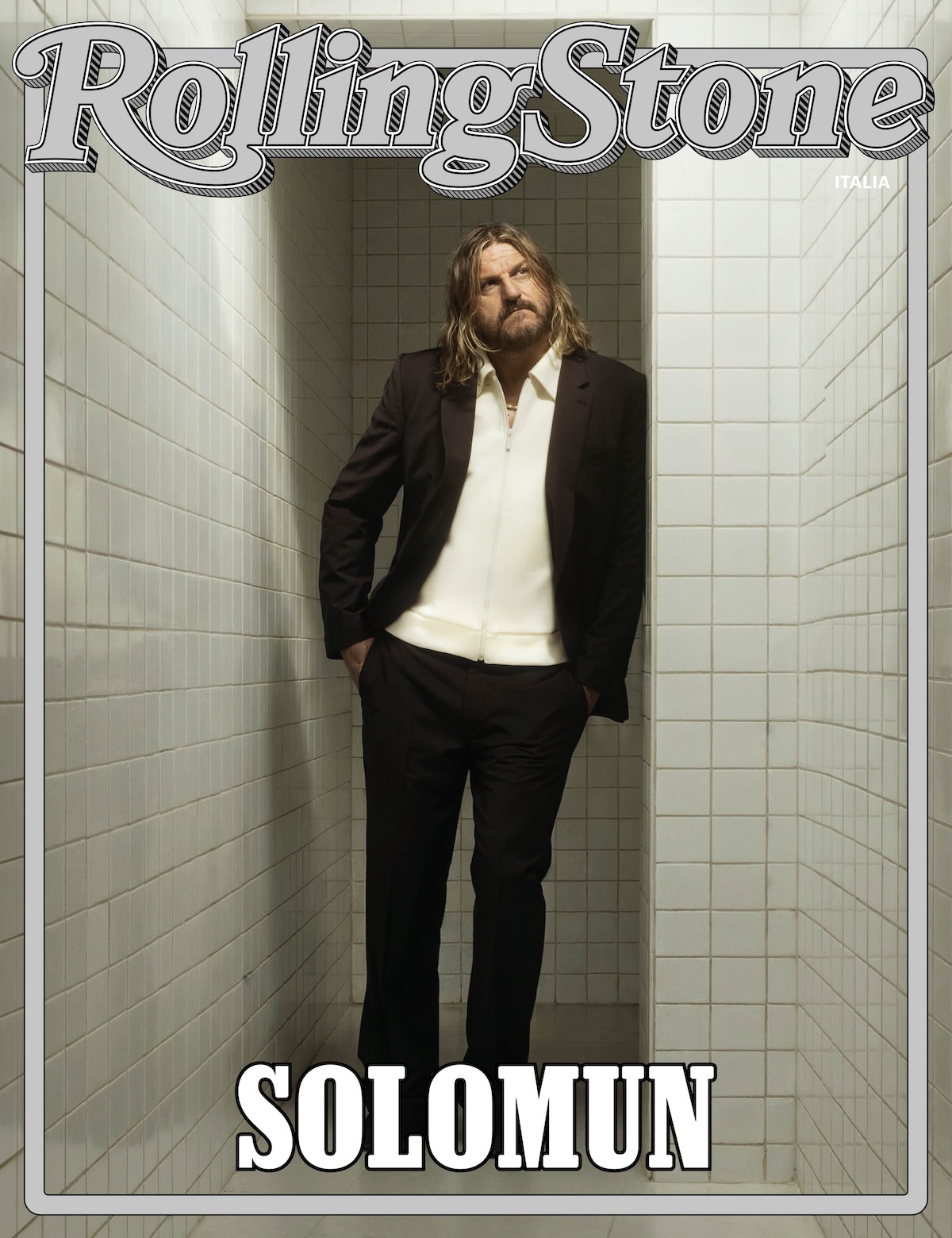
Foto: Sara Scaderebech. Tracker jacket Lacoste. Blazer Patrizia Pepe
Il set di Solomun del 2015 al Papaya Playa Project di Tulum è ancora il più visto nella storia di Boiler Room. Ad oggi, oltre 74 milioni di persone hanno guardato il DJ cresciuto in Germania Mladen Solomun (nato da una famiglia d’origine croata bosniaca) fare la sua magia dietro la consolle – due ore di masterclass di mixaggio impeccabile, con una selezione musicale capace di costruire un climax crescente, tra tech-house e deep house, passando per un mash-up di Lovesong dei Cure. Con gli occhiali da sole scuri e l’immancabile t-shirt nera, Solomun muove i fianchi a tempo, mentre sorseggia un bicchiere di vino bianco e dimostra a tutti come si fa. Senza sforzo.
Undici anni dopo, i capelli di Solomun sono decisamente più lunghi – oggi gli cadono oltre le spalle, in onde morbide e spettinate – ma il suo aplomb rimane quello di sempre. Anche se, come racconta in videochiamata dalla stanza di un hotel newyorkese, dietro la consolle gli capita ancora di commuoversi quando un pezzo particolarmente potente riesce ad arrivargli dritto al petto.
È esattamente questa intensità nel rapporto con la musica a rendere Solomun così magnetico e, di conseguenza, a farne il candidato ideale per analizzare lo stato attuale della musica dance. Solomun è stato invitato come special advisor di Roster, il nuovo progetto di Rolling Stone Italia dedicato alla club culture e alla musica elettronica, a cui porterà tutta la sua autenticità e una visione a 360 gradi da DJ, produttore, remixer e boss di una label. Ci troviamo davanti a un colosso della musica dance, capace di muoversi con la stessa disinvoltura sia nelle acque commerciali che circondano Ibiza che negli strati più profondi dell’ecosistema underground. E, soprattutto, un uomo per cui la musica è ossigeno. «La musica ha un effetto sulle persone per cui non abbiamo ancora trovato le parole giuste», scrive nel suo editoriale per Roster.
Con alle spalle una carriera di oltre 25 anni, Solomun ha vissuto in prima persona una serie di cambiamenti epocali per il settore in cui lavora: dalla democratizzazione della produzione grazie ai DAW (Digital Audio Workstation, nda) fino all’arrivo del primo “hyperclub” di Ibiza, UNVRS. Ha visto la musica dance trasformarsi da una rete sotterranea di sottoculture in un colosso economico dal fatturato da capogiro. Per avere un’idea di ciò di cui stiamo parlando, lo scorso anno il mercato globale della musica elettronica è cresciuto del 7%, toccando il record di 15,1 miliardi di dollari, stando a quanto diffuso nell’ultimo IMS Electronic Music Business Report; nel frattempo, il New York Times titolava di come la musica dance stia vivendo una nuova età dell’oro. Eppure, mentre l’industria macina profitti e la popolarità dell’elettronica dilaga – nel 2024, il 18% delle lineup dei 100 festival più importanti del pianeta era composto da artisti di musica elettronica – i club di mezzo mondo arrancano. Per molti, oggi la musica dance sta venendo appiattita e svuotata di senso dal grande capitale e dagli investitori privati.
Nel suo editoriale per Roster, Solomun riflette su «una cultura cambiata in ogni suo aspetto visibile», ma anche sul fatto che il nostro bisogno tutto umano di ritrovarsi e muoversi insieme al ritmo di un tamburo persiste da millenni. In quanto artista cresciuto nell’era del vinile, la ricerca e la scoperta dei dischi avevano un aspetto molto diverso rispetto al diluvio algoritmico di oggi. È Solomun stesso a sottolineare che oggigiorno basta chiedere a un bot o a un assistente AI di fare crate digging e tirare fuori le «20 migliori tracce dance». Ma al di là dell’AI, quali sono i cambiamenti più profondi a cui Solomun ha assistito da quando ha iniziato?
«Il mio approccio, quando ho cominciato, era semplice: volevo solo fare musica, non c’era dietro un grande piano», ricorda parlando dei suoi esordi. Per Solomun, il contrasto più netto sta nel modo in cui gli interessi finanziari hanno preso il sopravvento. «Quello che vedo oggi è che tutto ruota intorno al business. I social media, certo, sono un moltiplicatore enorme… Però è un altro gioco, un’altra dinamica. Alla fine è tutto intrattenimento, tutto è guidato dall’intrattenimento. Da un punto di vista romantico, un tempo era più una questione di arte rispetto ad oggi».
Tuttavia, nonostante i record infranti e un pubblico che cresce a macchia d’olio, Solomun continua a percepire la musica dance come una forma d’arte. Nel 2018 è diventato il primo DJ reale a essere integrato in un videogioco, con il suo alter ego virtuale piazzato alla consolle di Grand Theft Auto Online come dj resident per l’aggiornamento After Hours. Ma la sua fama passa anche, e soprattutto, dalle sue leggendarie maratone in consolle, ormai diventate virali: set da 27 ore filate di puro sudore, sempre con la stessa energia, portate avanti notte dopo notte durante la sua residency Solomun+1 al Pacha di Ibiza, inaugurata nel 2013, l’anno dopo essere stato incoronato “DJ dell’anno” da Mixmag. Di recente si è portato a casa il premio “highest climber” della Top 100 DJs di DJ Mag, da molti considerata il termometro per eccellenza del djing mondiale. Come se non bastasse, l’anno scorso si è anche aggiudicato il premio “DJ internazionale dell’anno” di DJ Mag.
Eppure, nonostante la sua immagine pubblica come parte del jet set mondiale della musica dance – le performance davanti a migliaia di persone in mega-club, eventi e festival in tutto il mondo, da Berlino a New York, da Tulum ad Atene, da Buenos Aires al Libano, condividendo il palco con nomi come Skrillex, Idris Elba e Jamie xx – potreste rimanere sorpresi di quanto Solomun, in realtà, detesti i riflettori. L’anno scorso ha volutamente trascorso il suo cinquantesimo compleanno su un volo intercontinentale, per non dover festeggiare con nessuno. «Se posso, preferisco stare dietro la telecamera e provare a restare sullo sfondo», dice. Solomun è anche una persona molto attenta ai dettagli: sullo scaffale della stanza d’hotel, alle sue spalle, campeggia una Bialetti verde brillante – la sua personale, che dice di portare spesso in tour. Non viaggia mai senza i propri cuscini e si assicura sempre che il frigorifero dell’hotel sia rifornito di latte senza lattosio.
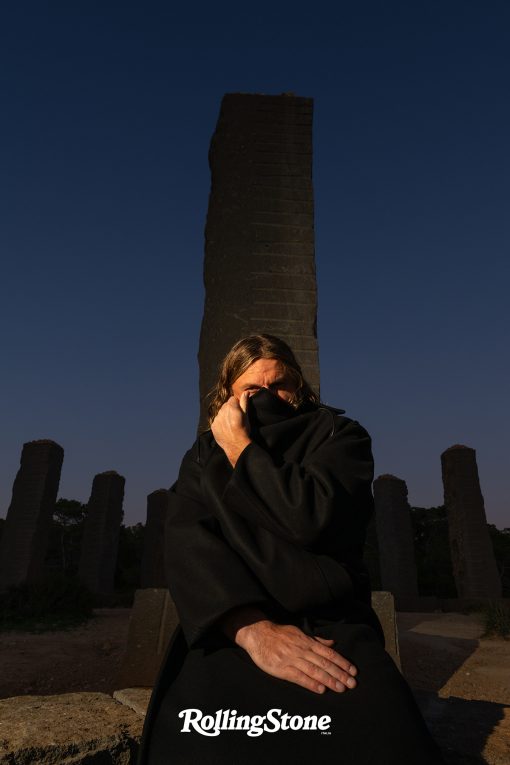
Foto: Sara Scanderebech. Outfit: cappotto over Domenico Orefice
Per un artista che trascorre buona parte dell’anno in viaggio, queste «ottimizzazioni» non solo aiutano a restare con i piedi per terra ma, soprattutto, fanno risparmiare tempo ed energie per la musica. Il 2025 è stato un anno particolarmente intenso per Solomun, che a settembre ha celebrato il decimo compleanno del suo evento annuale gratuito all’aperto al Porto di Ibiza, ha curato i palchi della sua etichetta Diynamic al venticinquesimo anniversario dell’Ultra di Miami e all’EXIT Festival. Come se non bastasse, ha debuttato a Glastonbury con un set B2B insieme a Michael Bibi sul nuovo palco Arcadia Dragonfly, per poi stabilirsi da maggio a ottobre a Ibiza per la sua residency Pacha+1. Divertente, ma senza dubbio estenuante.
Solomun ha costruito la sua fanbase grazie a set lunghissimi («Più lungo è il set, più grande è la possibilità di creare un’atmosfera speciale», ha dichiarato a Rolling Stone UK) e after party nati in modo spontaneo, dove le ore si fondono l’una con l’altra e la notte sfuma nel giorno. La resistenza, per uno come lui, è probabilmente un dono di natura. Da DJ macina date qual è, sa bene che gli orari di chiusura raramente sono scolpiti nella pietra. «Magari a volte chiedi: “Ma chiudete davvero alle 5 di mattina?”. E ti rispondono: “Sì, assicurato, coprifuoco tassativo alle 5”. E poi, alla fine: “Vabbè, in realtà possiamo andare avanti fino alle 8 o alle 9”. A quel punto fanculo, si va avanti».
Oggi, però, fa molta più attenzione al sonno. Apprezza sempre di più gli eventi che finiscono verso le 2 di notte, o anche prima, e con il fenomeno dei day party che continua a prendere piede in tutto il mondo, aspettatevi di vedere un Solomun più riposato living his best life. Dall’esterno magari non si nota, ma da un po’ ha iniziato a rallentare il ritmo. «Credo che per un artista sia fondamentale imparare a prendersi cura di sé stessi, a trovare spazio per il riposo, a dire di no, anche quando le proposte sono allettanti», racconta, rivelando che ogni anno si prende almeno tre mesi di stacco. «Hai anche il diritto di fermarti, non devi per forza essere in tour tutto l’anno».
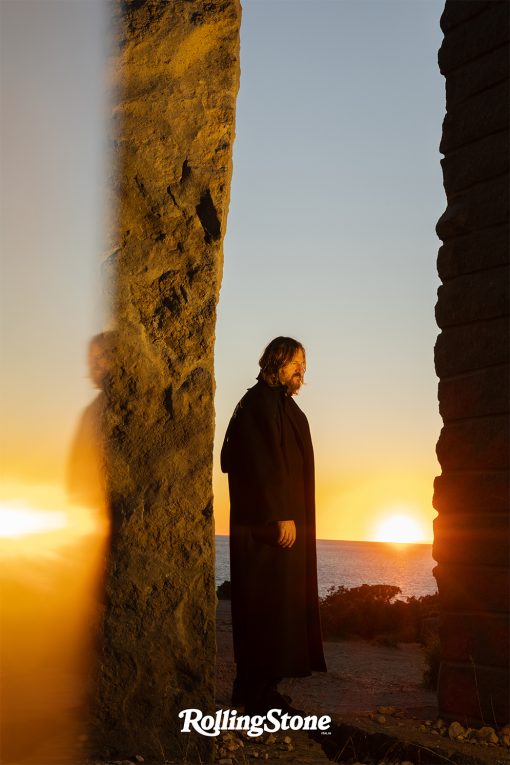
Foto: Sara Scanderebech. Outfit: cappotto over Domenico Orefice
Solomun è nato a Travnik, nell’ex Jugoslavia (oggi Bosnia-Erzegovina), da padre operaio edile e madre sarta. È cresciuto ad Amburgo, dove la sua famiglia si era trasferita poco dopo la sua nascita, e inizialmente ha lavorato per brevi periodi nei cantieri edili di suo padre, il che gli ha instillato la forte etica del lavoro che lo contraddistingue ancora oggi. È stato contagiato dalla passione per la musica quando un cugino più grande, frequentatore di locali notturni, gli ha fatto conoscere i mixtape funk e disco e, dopo aver imparato i fondamentali dietro la consolle del circolo giovanile del suo quartiere, ha mosso i primi passi come DJ professionista nella scena underground di Amburgo nei primi anni 2000. Man mano che si integrava sempre di più nella scena, ha deciso di fondare un’etichetta discografica e ha iniziato a incanalare la sua sensibilità DIY, radicata da tempo, in una label il cui nome stesso riflette la sua filosofia di duro lavoro: Diynamic Music.
Solomun aveva da poco iniziato a dedicarsi alla produzione quando ha fondato l’etichetta, inaugurata nel 2006 con il proprio EP omonimo; tre odissee techno profonde come l’oceano, tutte oltre gli otto minuti, realizzate insieme a Gebrüder Ton e Adriano. Pochi mesi dopo è arrivato l’EP Do It Yourself, ancora una volta in collaborazione con Gebrüder Ton e Adriano; da quel momento in poi le uscite della Diynamic si sono susseguite a un ritmo impressionante. La prima compilation dell’etichetta, Saturday, I’m in Love, è uscita nel 2008: un doppio disco con tracce di Solomun e dei fedelissimi Stimming e H.O.S.H., più un mix retrospettivo curato dallo stesso Solomun sul lato B.
Buttarsi a capofitto nella produzione ha dato presto i suoi frutti. Tre anni dopo arriva il brano che lo lancia a livello mondiale, il remix di Around di Noir & Haze, una delle tracce deep house più amate di quegli anni, eletto Remix of the Year da Resident Advisor nel 2011. Non era di certo il suo primo remix, ma da quel momento il suo nome comincia a girare sul serio, e le sue rivisitazioni attirano sempre più attenzione. La sua versione di Late Night dei Foals nel 2013, quella di West Coast di Lana Del Rey nel 2014, la rilettura del classico trance The Age of Love degli Age of Love nel 2017: brani che sono diventati tra i suoi remix più amati, capaci di costruire un ponte tra indie e dance. Sempre nel 2017 arriva il remix ufficiale di Going Backwards dei Depeche Mode (dall’album Spirit). A febbraio di quest’anno ha firmato un remix di Take Care of Business di Nina Simone, pubblicato nell’ambito delle celebrazioni per il 70° anniversario della Verve Records.
Quest’anno segna anche il ventesimo anniversario della Diynamic, che nel tempo si è evoluta da «concetto di famiglia rigido» a una piattaforma a sostegno di una rosa più ampia di artisti emergenti. Arrivare a due decenni è un traguardo di cui Solomun si dice molto orgoglioso. «Vent’anni sono tanti per restare in qualche modo rilevanti, perché la gente continui a guardarti come un riferimento, anche per riuscire a connetterti con la generazione successiva». Non festeggerà però l’anniversario con un’uscita, una decisione che attribuisce scherzosamente alla sua avversione per i compleanni.
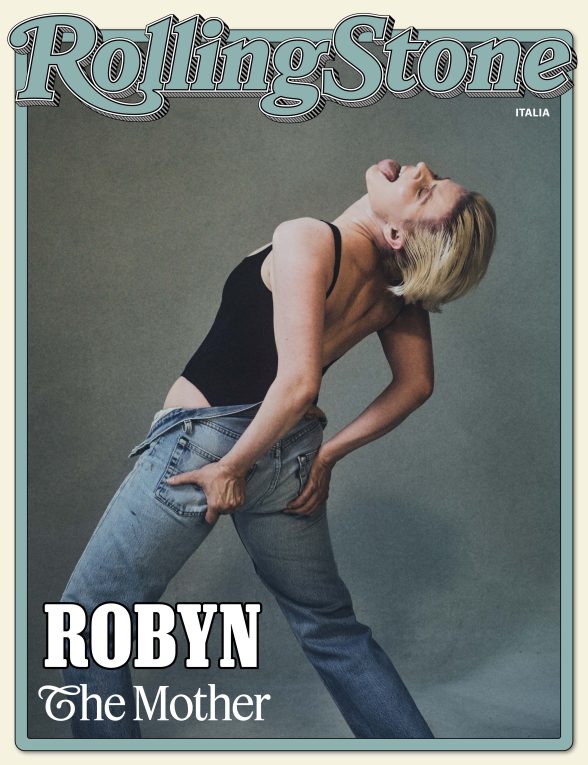
Per certi versi, la capacità di Solomun di fondere pop, rock e musica elettronica lo rende un candidato ideale per la digital cover di Rolling Stone Italia. Sebbene la rivista sia stata tradizionalmente associata alle chitarre, la storia ha da tempo cambiato le carte in tavola: l’icona pop svedese Robyn è comparsa di recente sulla copertina di Rolling Stone Italia, e chi può dimenticare i Daft Punk sulla cover di Rolling Stone US per il lancio di Random Access Memories? Lo scorso giugno, il DJ e produttore australiano Dom Dolla era il protagonista della copertina di Rolling Stone AU/NZ.

Foto: Sara Scanderebech. Outfit: giacca di pelle di Laboratorioriciclopelle L.R.P.
L’ascesa del DJ come popstar, tuttavia, non è una novità; Solomun fa notare che David Guetta (descritto come il «simbolo del movimento») ha iniziato a lavorare con artisti pop mainstream oltre un decennio fa, mentre l’esplosione dell’EDM negli anni ’10 ha portato all’affermazione del DJ trattato come una divinità, come successo ad esempio con Tiësto. Ibiza è ormai diventata il loro habitat naturale, con le residency dei nomi più importanti al mondo durante tutta la stagione estiva, Solomun incluso. Ha messo piede per la prima volta sull’Isola Bianca nel 2012 per una residency targata Diynamic e da allora è una presenza fissa. Sebbene nel frattempo si sia stabilito a Lisbona, Solomun si sente «molto a casa» a Ibiza, anche dopo tutti questi anni. «Non sono il tipo che parla di energia, ma a Ibiza c’è una sorta di energia positiva, al di là dei club, soprattutto d’inverno, è bellissimo». Quando non è dietro la consolle, gioca a tennis o si gode la natura.
Cos’è cambiato sull’isola dal 2012? «La cosa principale che non è cambiata è che la gente continua a venire a Ibiza», dice con un sorriso, «e questa è una buona notizia». La conversazione si sposta poi sul movimento no-phone dell’isola, in costante crescita, tra gli argomenti più discussi negli ultimi tempi. Da otto anni Solomun si batte perché le persone sul dancefloor usino il telefono in modo più consapevole, con il movimento che si è guadagnato una popolarità notevole a Ibiza. Il suo impegno personale è partito con dei volantini distribuiti all’ingresso del Pacha, in cui si chiedeva ai clubber di pensare all’effetto che il flash ha sugli altri. Oggi, accanto alla consolle del Pacha, è facile trovare un cartello “no phone”. Solomun non vuole giudicare i raver più giovani, che con il telefono ci sono cresciuti, ma chiede più sensibilizzazione e un minimo di regolamentazione sull’uso dei telefoni in pista.
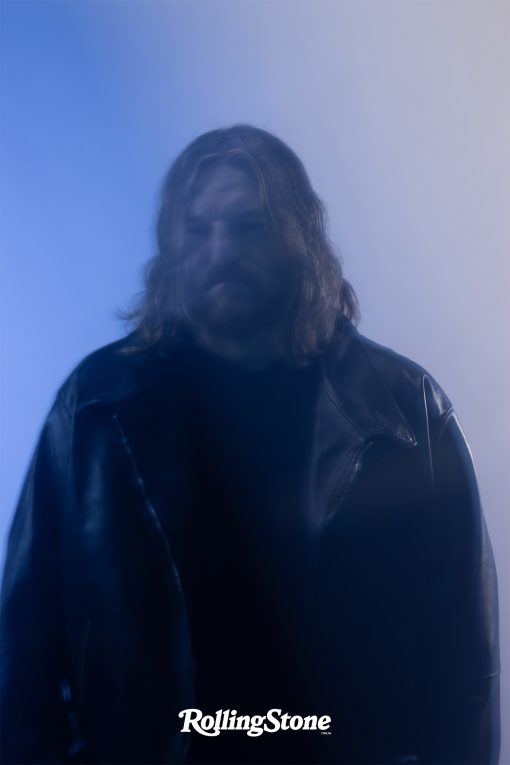
Foto: Sara Scaderebech. Outfit: giacca di pelle di Laboratorioriciclopelle L.R.P.
Naturalmente, l’industria della musica dance è definita, guidata e tenuta in piedi tanto dalla sua eredità e dai pionieri che ne hanno aperto la strada, quanto da questi nuovi clubber che comprano biglietti e ascoltano musica in streaming, e che oggi impediscono al clubbing di crollare. Come rilevato dal già citato rapporto IMS, i giovani tra i 18 e i 34 anni sono la fascia più attiva del settore. Solomun ne è consapevole e crede nel potere di questa nuova generazione di appassionati di musica dance, più giovane ed entusiasta. Per esempio, vorrebbe vedere più artisti emergenti nelle line-up di Ibiza. «Dopo la pandemia, ho detto a un sacco di gente: “Questa è un’ottima occasione per lanciare nuovi brand o dare una chance agli artisti più giovani, perché la gente ha fame, quindi a Ibiza viene comunque, e allora puoi costruire qualcosa da zero”. Ma credo che tanti si siano lasciati sfuggire quell’occasione».
Tra l’ascesa dell’AI e altri cambiamenti culturali e tecnologici di proporzioni enormi, l’industria della musica dance è diventata in gran parte irriconoscibile nei tre anni da quando l’Organizzazione Mondiale della Sanità ha dichiarato la fine della pandemia di Covid-19. I social restano un’arma a doppio taglio, che artisti e rispettivi team devono maneggiare con cautela. Farne a meno è possibile, ma sicuramente non facile. «Abbiamo visto tutti il fantastico documentario The Social Dilemma; è stato bello capire finalmente cosa succede dietro i social media… È stato come con le sigarette quando ero un ragazzino, sapevamo tutti che facevano male ma, cazzo, era figo fumare», riflette Solomun.
Paragona lo stile di vita tipico dei DJ di una volta – quando molti dovevano imparare a proprie spese a evitare i burnout e a prendersi cura di sé – alla generazione più recente di raver, più attenta alla sobrietà, per cui uno stile di vita sano è spesso una priorità. «A volte, come in tutto nella vita, è solo quando ti si spezza il cuore che riesci ad apprezzare cos’è l’amore… A volte devi addentrarti un po’ nel buio, ma anche saper tornare indietro al momento giusto. Come in tutto nella vita, devi trovare un equilibrio».
Dalle sue selezioni musicali calde e melodiche, fino alle sue riflessioni sui DJ, come persone normali, con problemi veri e una vita vera – e non divinità da venerare – si potrebbe dire che Solomun stia rimettendo la componente umana al centro del djing. I giorni in cantiere sono ormai lontani, ma quell’entusiasmo giovanile per la musica è ancora vivo e vegeto dentro di lui. «Forse il complimento più grande che ricevo a volte dalle persone è che resto semplicemente quello che sono, con i piedi per terra e umile; questa è forse la cosa più importante, perché se la gente mi vede così, allora ho fatto tutto giusto». Solamente, non chiamatelo rockstar.
***
ENGLISH VERSION
Solomun‘s 2015 set at Tulum’s Papaya Playa Project remains the most-watched Boiler Room in the platform’s history. Over 74 million people have now seen the German-raised DJ Mladen Solomun (born to a family of Bosnian Croat heritage) work his magic behind the decks – a two-hour masterclass in seamless mixing and track selection that builds a tension-filled narrative from tech-house and deep house, taking in a mash-up of The Cure’s Lovesong along the way. Donning black sunglasses and his signature simple black T-shirt, Solomun sways his hips to the beat as he sips from a glass of white wine and shows everyone how it’s done, effortlessly.
11 years on, and Solomun’s hair may be noticeably longer – these days spilling out past his shoulders in tousled waves – but his cool, calm, and collected demeanour remains a constant. Although, as he tells Rolling Stone Italia over video call from a New York hotel room, he’s certainly not averse to welling up behind the decks when a particularly powerful track hits him in the chest.
It’s precisely the depth of Solomun’s emotional attachment to music that gives him much of his appeal, and in turn makes him the ideal candidate for truthfully assessing the current state of dance music. Solomun has been invited to work as a special advisor on Roster, a new magazine about club culture and electronic music by Rolling Stone Italia that will greatly benefit from his authenticity and broad perspective as a DJ, producer, remixer, and label boss. Here is a dance music colossus who appears equally at ease swimming in Ibiza-orbited commercial waters as much as he does navigating the strata of the underground club ecosystem. Most importantly, he is someone for whom music is his oxygen. «Music does something to people that I do not think we fully have language for», he writes for Roster.
With a career spanning over 25 years, Solomun has lived through a number of notable industry changes, from the democratisation of DAW-led production to the arrival of Ibiza’s first ‘hyperclub’ [UNVRS]. He has witnessed dance music metamorphose from a network of niche subcultures to an eye-wateringly lucrative business behemoth. To put things into perspective, last year the global electronic music industry grew 7% to reach a record $15.1 billion, according to the latest Electronic Music Business Report (IMS), while the New York Times trumpeted that dance music is booming again. But just as this global multibillion-dollar industry continues to generate more and more money and the popularity of electronic music itself continues to balloon – with 18 per cent of the world’s top 100 festivals made up of electronic artists in 2024 – clubs all around the world are conversely struggling to survive. For many, dance music is being bulldozed into blandness by big business and private investors.
In his editorial for Roster, Solomun muses on «a culture that has changed in every visible way», but that our very human need to gather and dance to a drum beat has persisted for millennia. As an artist who came up in the vinyl era, record digging and discovery looked very different from today’s algorithm-driven downpours. Solomun points out that these days you can simply ask an AI bot or assistant to crate dig and come up with the «20 best dance tracks». But apart from AI, what are the most transformative shifts Solomun has witnessed since starting out?
«My approach when I started was just simple, I just wanted to make music, there was never a big plan», he recalls of his early motivations. For Solomun, the starkest contrast arguably lies in the way financial interests have taken over. «What I see today, everything is business driven… Of course, because of social media, it’s a big multiplier… But it’s a different game, it’s a different dynamic. In general, it’s about entertainment; it’s all entertainment-driven. From a romantic perspective, it was more about art before than it is nowadays».
Solomun still perceives dance music as an art form, even as he continues to smash records and expand his following far and wide. In 2018, he became the first real-world DJ to be fully integrated into a video game, assuming his virtual perch as a resident DJ in Grand Theft Auto Online as part of the game’s After Hours update. Aside from this, he is famed for pulling off viral marathon sets that have seen him notch up as many as 27 sweaty hours in a row, also keeping a similar kind of energy going all night for his trailblazing Solomun+1 residency at Pacha Ibiza, which he began in 2013, the year after being crowned “DJ of the year” by Mixmag. Recently, he took home the “highest climber” prize in DJ Mag’s annual Top 100 DJs poll, widely considered the gold standard when it comes to highlighting the best DJs working in the world today. He also took home DJ Mag’s “international DJ of the year” award last year.
But for all of his public-facing dealings as a member of the international dance music jetset – playing to crowds of thousands at mega-clubs, events, and festivals worldwide from Berlin, New York and Tulum to Athens, Buenos Aires and Lebanon, and sharing stages with high-profile figures like Skrillex, Idris Elba, and Jamie xx – you may be surprised to learn that Solomun hates the spotlight. Last year, he purposefully spent his 50th birthday on a long-haul flight so he didn’t have to celebrate with anyone. «If I can, I’d rather be behind the camera and try to be in the background», he says. Solomun is also a stickler for details: a bright green Bialetti coffee machine sits on the hotel room shelf behind him – his own, which he says he often brings on tour. He also never travels without his own pillows, and always makes sure the hotel fridge is stocked with lactose-free milk.
For an artist who spends a huge chunk of his year on the road, these «optimising» comforts not only help him to stay grounded but also crucially free up more time and energy for the music. 2025 was a particularly busy year for Solomun, who marked the 10th birthday of his free annual Port of Ibiza open-air event in September, and hosted his Diynamic record label stage takeovers at the 25th anniversary of Ultra MIAMI and EXIT Festival. On top of that, he made his Glastonbury debut, performing a B2B set with Michael Bibi at the newly designed Arcadia Dragonfly stage, and set up shop in Ibiza from May through to October for his Pacha+1 residency. Fun, but no doubt exhausting all the same.
Solomun built a following through extended sets («The longer the set, the bigger the chance to create a special atmosphere», he told Rolling Stone UK) and spontaneous after parties, where the hours melt endlessly into each other and night turns into day – so he is someone for whom stamina likely comes naturally. As a hard-touring DJ, he knows that curfews are rarely set in stone. «Maybe sometimes you’ll ask, “Is it really a hard curfew at five in the morning?” and you’re told, “Yeah, we promise you it’s a hard curfew for five in the morning”. And then, in the end, it’s like, “Oh, we can manage to go to eight or nine”. So fuck it. Let’s go».
These days, however, he values his sleep a lot more. He is a big fan of dance events that tend to wrap up by 2AM, or earlier, and as the day party phenomenon continues to pick up speed across the globe, you’ll no doubt see more of a fresh-faced Solomun out there living his best life. It may not look like it from the outside, but he has begun to invest more time in slowing down of late. «This is something you have to learn as an artist, I think, in my opinion, to take care of yourself, and also to find space for resting, and to say no to things, even if it’s tempting», he says, revealing that he takes at least three months off annually. «You are also allowed to have a break, you don’t have to tour the whole year».
Solomun was born in Travnik, former Yugoslavia (now Bosnia and Herzegovina) to a construction worker father and seamstress mother. He grew up in Hamburg, where his family relocated shortly after he was born, and initially worked stints on building sites for his father, which instilled in him the strong work ethic he holds today. He got bitten by the music bug when an older nightclub-visiting cousin introduced him to funk and disco mixtapes, and after figuring things out behind the decks at his local youth club, cut his teeth as a professional DJ in Hamburg’s underground club scene during the early 2000s. Subsequently becoming more embedded in the scene, he decided to set up a record label and began channelling his long-founded DIY sensibilities into an imprint whose own hard-working ethos is baked in its name: Diynamic Music.
Solomun had just recently turned his attention to production when he set up the label, and christened its arrival in 2006 with his own self-titled EP; three ocean-deep techno odysseys that each tip the eight-minute mark and featured Gebrüder Ton and Adriano. The Do It Yourself EP followed a few months later, once again gathering Gebrüder Ton and Adriano for a collaborative offering, with the Diynamic releases continuing to turn up at an impressive rate after that. The first label compilation, Saturday, I’m in Love, was launched in 2008, split into two discs and featuring tracks from Solomun, alongside label regulars Stimming and H.O.S.H., with a retrospective label mix helmed by Solomun himself on the flipside.
Zealously throwing himself into production soon paid off; three years later, he had bagged himself a global breakthrough track thanks to his lauded remix of underground deep house favourite Around by Noir & Haze, named Remix of the Year by Resident Advisor in 2011. He had been churning through remixes for a number of years before this breakthrough moment, but with his name now in lights, his fresh takes were becoming more talked about. His gauzy reimaging of Foals’ Late Night in 2013, Lana Del Rey’s West Coast in 2014 and Age of Love’s trance classic The Age of Love in 2017 are among some of his standout remixes, crossover tracks that bridge indie with dance. That year, he also officially remixed Depeche Mode’s Going Backwards (from their 2017 album Spirit). In February this year, he contributed a remix of Nina Simone’s Take Care Of Business, released as part of Verve Records’ 70th-anniversary celebration.
This year also marked the 20th anniversary of Diynamic, which has, over the years, evolved from a «strict family concept» to a platform in support of a more expansive roster of rising artists. Making it to two decades is a milestone of which Solomun says he is very proud. «I mean, 20 years is a long time to stay somehow relevant and for people to look up to you and also to connect with the next generation». However, he won’t be commemorating the anniversary with a release, a decision he jokingly blames on his aversion to birthdays.
In some ways, Solomun’s melding of pop, rock and electronic music makes him an ideal candidate for a Rolling Stone Italia cover. Although the magazine was traditionally associated with guitars, history has long moved the dial; Swedish pop icon Robyn was recently featured on the cover of Rolling Stone Italia, and who can forget the time Daft Punk graced the cover of Rolling Stone US in support of their Random Access Memories album. Last June, Australian DJ and producer Dom Dolla was the cover star of Rolling Stone AU/NZ.
The rise of the DJ as popstar is not entirely new; Solomun points out that David Guetta (who he describes as the «symbol of the movement») first began working with mainstream pop artists over a decade ago, while the EDM explosion in the 2010s also willed god-tier DJs like Tiësto into being. Without a doubt, Ibiza is their VIP stomping ground, with many of the world’s biggest names holding residencies there throughout the summer season, Solomun included. He first touched down on the White Isle in 2012 for a Diynamic label residency, and has been a staple ever since. Although he has since developed a much-loved base in Lisbon, he still feels «very at home» in Ibiza, even after all these years. «I’m not the kind of person who talks about energy, but there is a kind of good energy in Ibiza, and even outside, also, especially in winter, it’s beautiful». Whenever he’s not DJing, he’s playing tennis or enjoying being in nature.
So what has changed on the island since 2012? «The main thing that hasn’t changed is that people are still coming to Ibiza», he says with a grin. «So this is the good news». Our discussion turns to the island’s ever-growing no-phones movement, one of its most talked-about developments. For the past eight years, Solomun has been advocating for people to use their phones more mindfully on the dancefloor, with the movement gaining significant traction in Ibiza. Solomun’s own efforts started with flyers displayed in the entrance at Pacha, wherein he would politely ask clubbers to consider the impact of using a flash on others. Now you’re likely to see a “no phone” visual by the Pacha DJ booth. Solomun is wary of judging younger ravers who have grown up with their phones, but is looking for more education and soft limits when it comes to those distracting little screens.
Of course, the dance music industry is as much defined, dictated, and sustained by its legacy and the pioneers who paved the way as it is by these ticket-buying, music-streaming new clubbers who keep it from collapsing. As the aforementioned IMS report found, young adults aged 18-34 comprise the most engaged demographic within the sector. Solomun knows this, and believes in the power of this younger, enthusiastic cohort of dance music fans. He would love to see more up-and-coming artists booked on the Ibiza line-ups, for example. «After the pandemic, I said to a lot of people, “Now this is a really good chance to start new brands or give young artists a chance, because people are hungry, so people come anyway to Ibiza, and then you can build up something from zero”, but a lot of people missed the chance, in my opinion».
What with the rise of AI and other gargantuan cultural and technological shifts, the dance music industry has become largely unrecognisable in the three years since the World Health Organisation (WHO) declared the end of the COVID-19 pandemic. Social media remains a double-edged sword that must be wielded with caution by artists and their teams. It’s possible to get ahead without it, but it’s certainly no easy task. «We all saw the fantastic documentary, The Social Dilemma; it was good to finally see what’s going on behind social media… For me, it was a kind of cigarettes in my youth… We all knew they were bad, but it was fucking cool to smoke», reflects Solomun.
He contrasts the typical DJ lifestyles of yore – when many had to learn the hard way how to avoid burnout and practice self-care – with the newer, more sober-conscious generation of ravers for whom clean living is often paramount. «Sometimes – like everything in life – only once your heart is broken, then you can appreciate what love is… Sometimes you have to go in the darkness a little bit, but also to jump back at the right time. Like everything in life, you need to balance things out».
From his warm-blooded, melodic selections to his thoughts on DJs being ordinary people with problems and lives – rather than deities to be worshipped – you could say Solomun is putting the human back into DJing. He may have moved on from his early days in construction, but that youthful enthusiasm for music is still very much alive and kicking inside him. «Maybe the biggest compliment I get from people sometimes is that I just stay who I am, grounded and humble; this is maybe the most important thing, because if people see me like this, then I’ve done everything right». Just don’t call him a rock star
***
Credits:
Photographer: Sara Scanderebech
Editor in Chief: Alessandro Giberti
Art director: Marco Giacobbe
Producer: Maria Rosaria Cautilli
Editorial coordinator: Eric Fiorentino
Fashion editor: Francesca Piovano
Editor: Alessandro Zaghi
Business development manager: Matteo Berciga
Editorial marketing manager: Matteo Zampollo
Digital graphic designer: Stefania Magli
Talent PR agency: The Media Nanny
Make up & hair styling: Smack Ibiza
Photographer assistant – light: Margherita Ferrari
Photographer assistant – digital: Adrien Crasnault
Director – video maker: Alex Caballero
Ibiza local service: Jaja service