Non sono ancora del tutto sicuro di saper spiegare fino in fondo cosa faccio. Il lato tecnico, certo, ma l’altra parte è più difficile da mettere a fuoco. Il motivo per cui un disco messo nel momento giusto può restare addosso a qualcuno per giorni, anni, a volte per tutta la vita… è quella magia che ancora oggi mi coglie alla sprovvista.
Ogni DJ ha più o meno gli stessi strumenti a disposizione per far ballare le persone. Quello che distingue l’uno dall’altro, nel migliore dei casi, è una firma, una visione, un modo di raccontare, il mixaggio, la selezione dei dischi. Quella è la base, il mestiere: la versione più semplificata di ciò che facciamo. La dimensione più universale, quasi filosofica, è un’altra cosa. È ciò che ci resta dentro nei giorni successivi, ciò che ci unisce, ciò che sopravvive al tempo stesso.
La musica ha un effetto sulle persone per cui non credo abbiamo ancora trovato le parole giuste. Ci sono ricerche che dimostrano come riesca a raggiungere i malati di Alzheimer che hanno perso quasi tutto il resto: una canzone familiare può riportarli a sé stessi, anche solo per un istante. E ciò che mi commuove ancora di più è che il ballo sembra essere ancora più potente. Il corpo ricorda quello che la mente ha lasciato andare. Questo mi dice qualcosa su ciò che stiamo davvero facendo su un dancefloor, anche quando non lo pensiamo in questi termini.
È l’unica cosa che conosco capace di entrare dentro una persona e tirarne fuori un’emozione che aveva semplicemente dimenticato di avere. La canzone che suonava la notte in cui ti sei innamorato non si limita a riportarti a quella notte. Per quattro minuti, sei di nuovo esattamente dov’eri. Non è solo nostalgia, è qualcosa di più strano e un po’ più profondo. Ho smesso di provare a spiegarlo molto tempo fa, ma ci credo davvero. Penso sia questo ciò che cerco sempre quando suono per il pubblico.
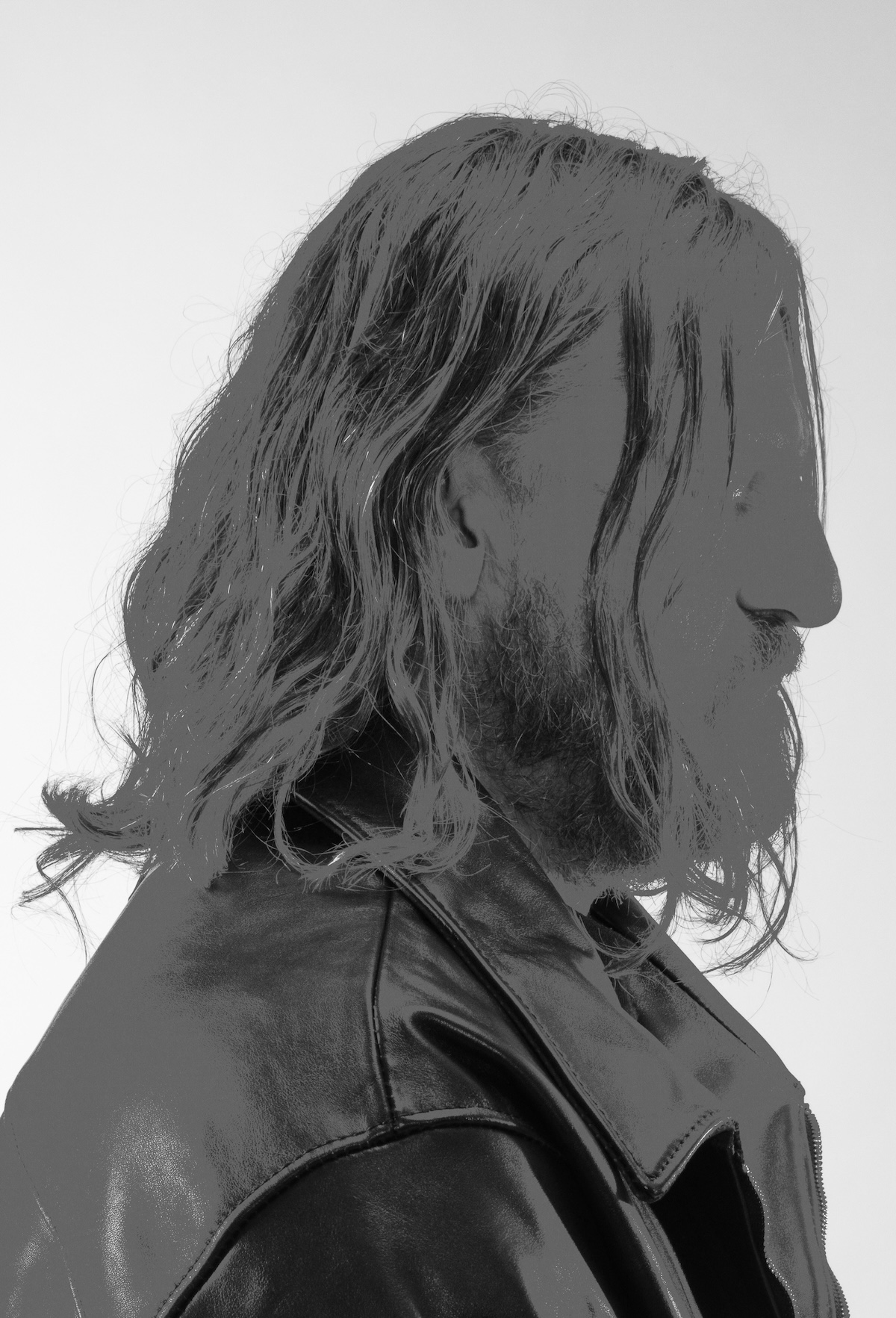
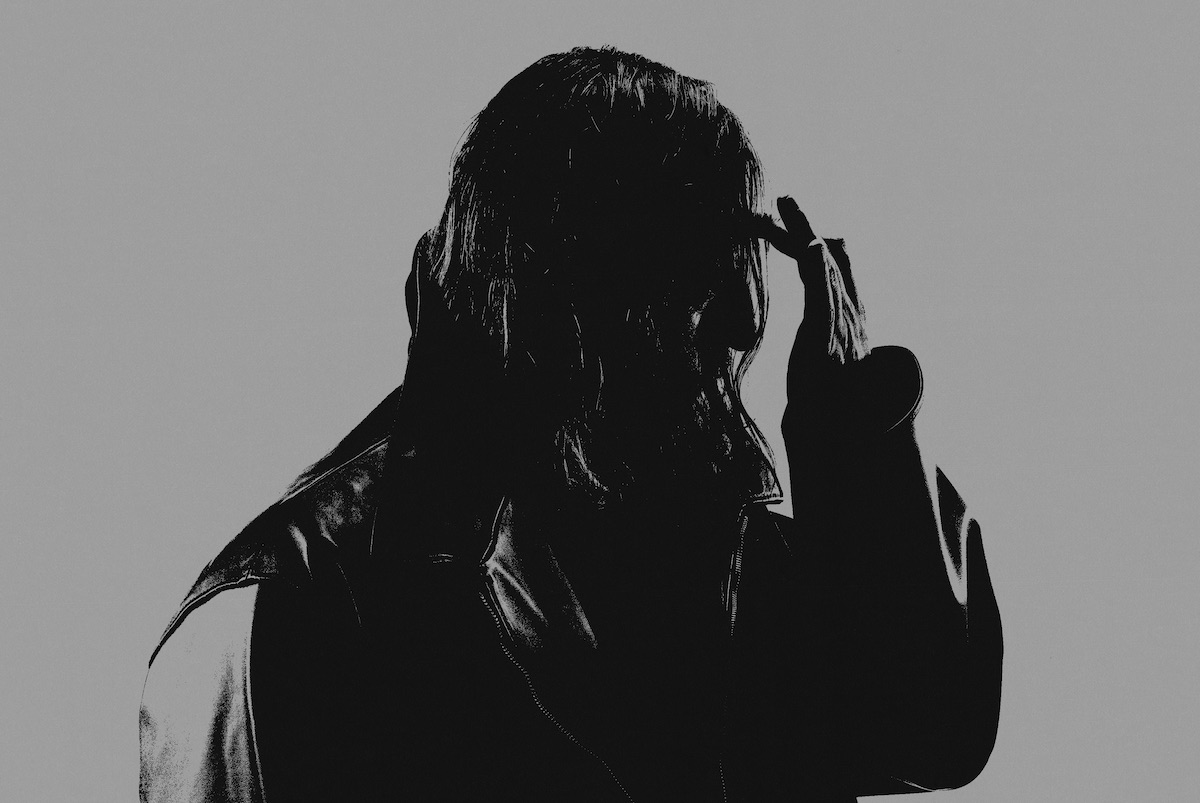
Foto: Sara Scanderebech
Il mondo del clubbing in cui sono cresciuto si reggeva su una specie di segreto condiviso. La musica e i locali li scoprivi con il passaparola, attraverso qualcuno che si fidava abbastanza di te da aprirti la porta. Ti presentavi e ti abbandonavi completamente, perché il patto era quello. Per le ore successive, quella stanza era il mondo intero. Ti chiedeva qualcosa, dovevi essere presente, ma in cambio ti dava tutto.
È una cosa a cui penso molto, di questi tempi. Il massimo potenziale di una notte richiede la nostra piena attenzione. Quando frapponiamo qualcosa tra noi e l’esperienza, anche qualcosa di piccolo, cambiamo ciò che quell’esperienza può davvero diventare. La maggior parte delle persone lo avverte, anche se non lo mette davvero in parole. Sentono la differenza tra una notte in cui si sono lasciati andare ed erano davvero dentro l’esperienza e una notte in cui l’hanno solo guardata accadere.
La consolle è un posto strano da cui osservare tutto questo. Sei parte integrante della notte, ma anche leggermente fuori da essa, mentre guardi come si muove la stanza e cerchi di capire di cosa ha bisogno. Negli anni ho imparato a leggere un pubblico come potresti leggere un volto. C’è il pubblico che arriva già pronto, e c’è quello che ha bisogno di tempo, di un permesso, di qualcuno che si esponga e vada per primo. C’è un momento, da qualche parte nel mezzo di una buona serata, in cui viene presa la decisione collettiva… quando la sala è d’accordo, senza che nessuno dica una parola, sul fatto che è questa la notte e che è arrivato il momento. Sono i momenti per cui vivo, e la maggior parte delle mie scelte creative nasce dallo sforzo di arrivarci.
La grandezza del posto cambia molte cose, ma onestamente non cambia quel preciso istante. Ho suonato davanti a migliaia di persone e ho suonato per poche decine. Certo, la meccanica è diversa, ma quello che cerco è lo stesso. Semmai, i locali più grandi mi hanno insegnato a dare valore alla misura. Le notti che mi sono rimaste dentro, non solo come DJ ma anche come ascoltatore, non sono quasi mai quelle più chiassose. Sono quelle in cui ci siamo fidati della musica abbastanza da togliere qualcosa e lasciare spazio. Ho visto una stanza impazzire per un disco che tratteneva quasi tutto, solo perché era quello giusto. Giusto per quella sala in quell’ora, grazie a tutto ciò che l’aveva preparata.
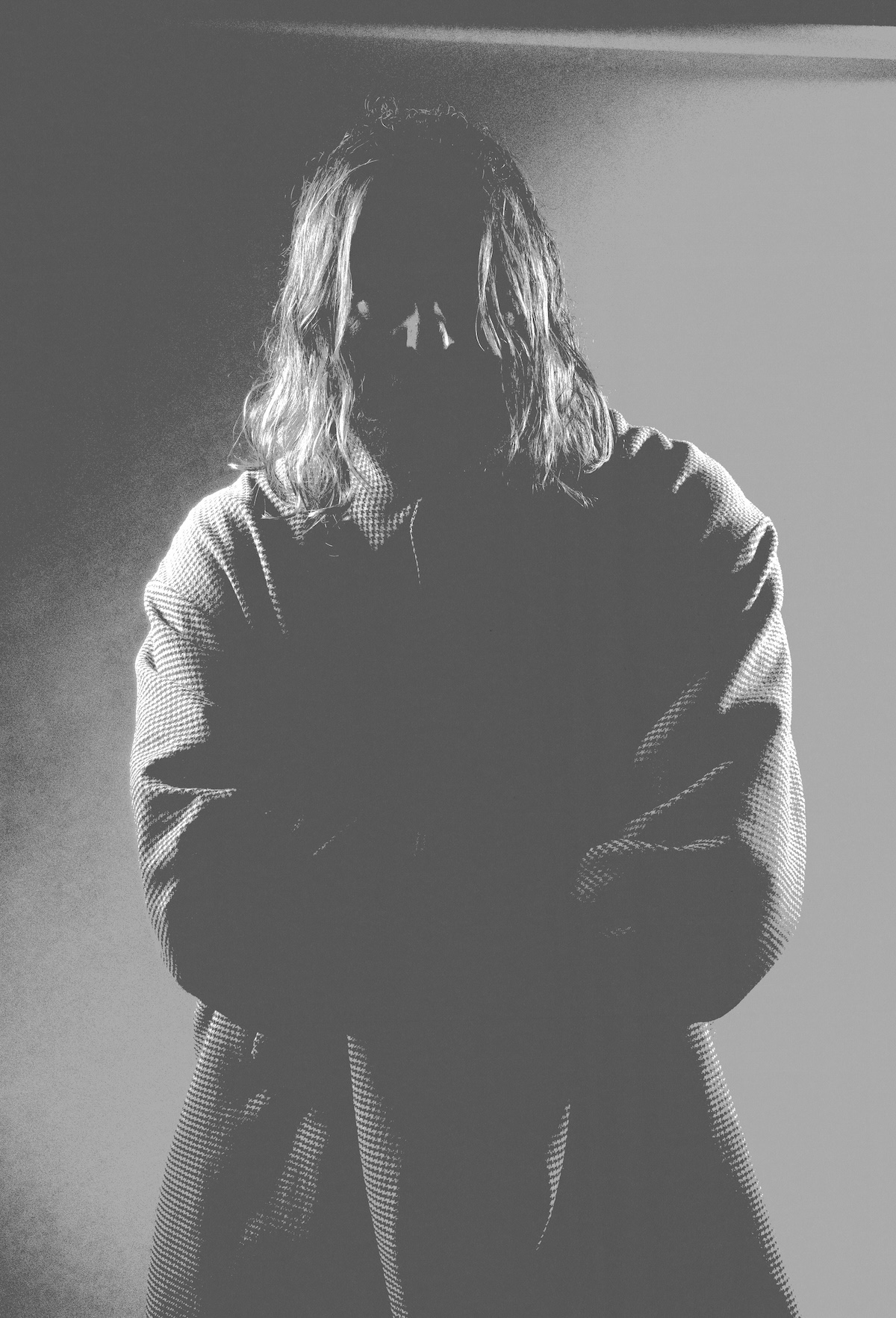
Foto: Sara Scanderebech
È probabilmente per questo che, quando suono, non ragiono troppo in termini di vecchio o nuovo. Certo che presto attenzione a ciò che succede adesso. È necessario. Ma non voglio mettere un disco solo perché appartiene all’adesso. Certi anni tutti vogliono le cose più veloci, più dure, più dirette. Va benissimo, e quell’energia mi piace, ma quello che cerco davvero è una musica che abbia qualcosa dietro. Qualcosa che si sente ancora quando la moda intorno a essa è cambiata. Un disco può essere semplicissimo e portarsi dietro comunque tanto: un ricordo, un po’ di tristezza, un po’ di gioia, una certa verità sull’esperienza umana. Sono quei dischi a restarmi utili nel tempo.
Ma ciò a cui torno, anno dopo anno, sono le persone. Una stanza piena di sconosciuti arrivati in cerca di qualcosa, anche senza sapere davvero cosa fosse. Non mi prendo il merito di ciò che accade lì dentro, ma cerco di creare le condizioni giuste. Di solito, alla musica pensa il resto.
Dalla consolle, è questo che vedo ancora. Una cultura cambiata in quasi ogni suo aspetto visibile, mentre la ragione che la muove è rimasta vicinissima alle proprie radici. E quelle radici sono profonde. Ballare, suonare i tamburi, riunirsi attorno a un ritmo: sono tra le cose più antiche che gli esseri umani facciano. Molto prima del linguaggio, molto prima delle città, le persone stavano in cerchio e si muovevano insieme. È scritto nel nostro DNA collettivo.
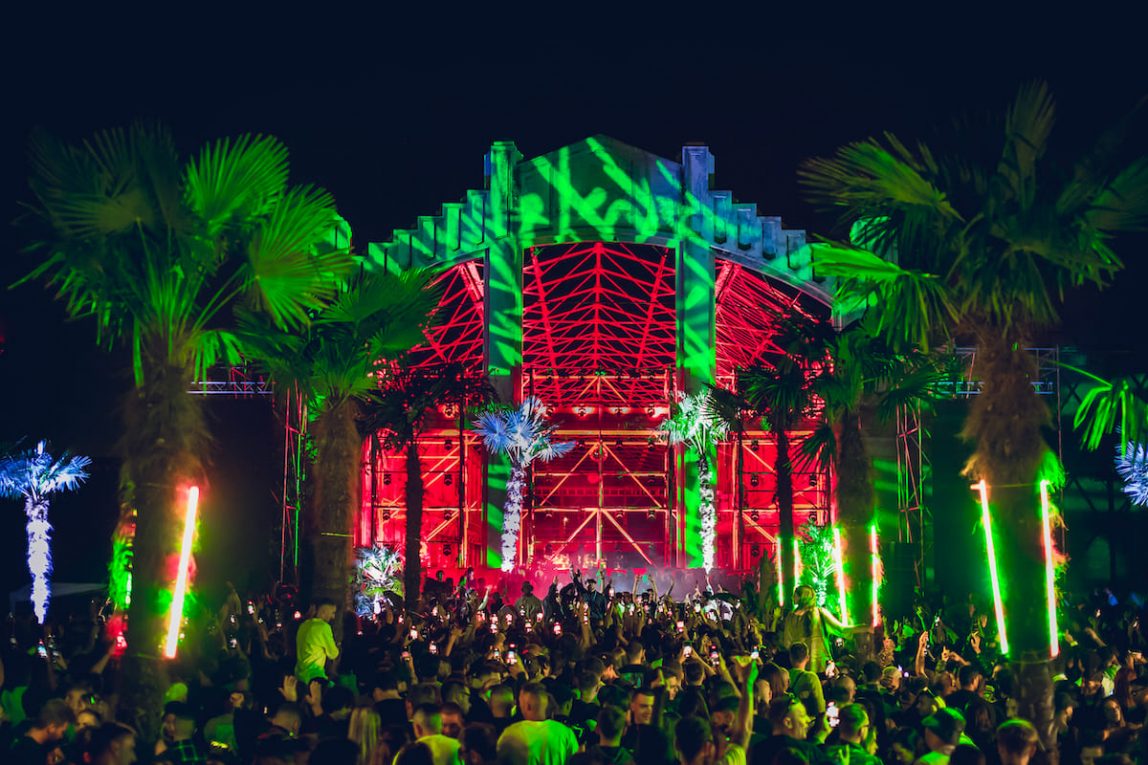
Quello che facciamo oggi in un club non è un’invenzione moderna. È una continuazione. Vedo i telefoni alzati, certo, ma vedo anche persone con gli occhi chiusi, persone che trovano qualcosa in comune le une con le altre, persone che spariscono dentro sé stesse per un po’. Vedo volti giovani che scoprono quella sensazione, sai di quale parlo, per la prima volta, e volti più adulti che tornano a qualcosa che in fondo non avevano mai lasciato. Sono queste le cose che mi hanno sempre fatto sentire pieno.
Questo, per me, è il clubbing. Non necessariamente una fuga, ma semplicemente un promemoria del fatto che non siamo così separati come a volte ci sentiamo.
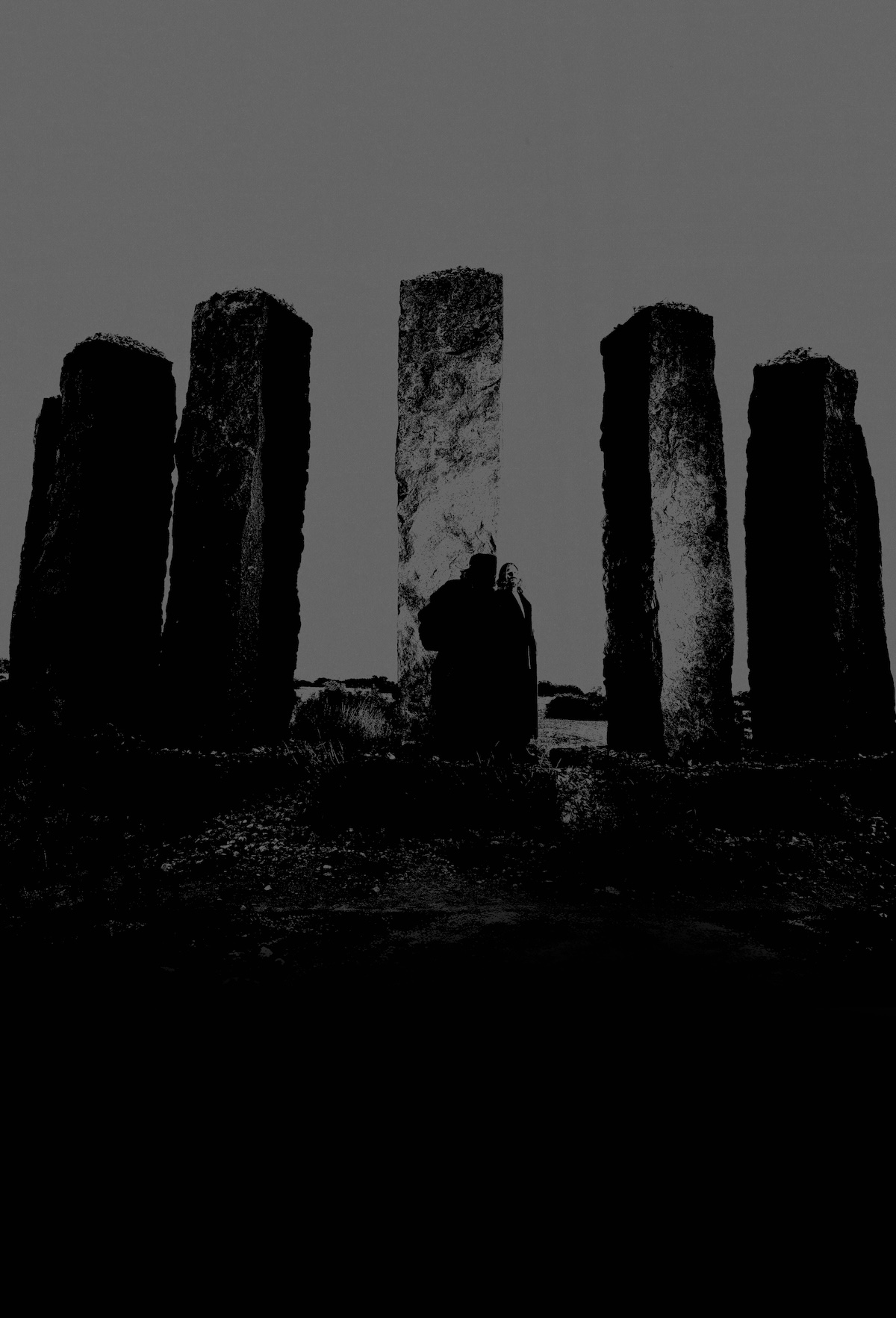
Foto: Sara Scanderebech
ENGLISH VERSION
I’m still not sure I can fully explain what it is I do. The technical side, of course, but the other part is harder to pinpoint. The reason a record played at the right moment can stay with someone for days, years, or sometimes a lifetime… that’s the magic that still catches me off guard.
Every DJ has more or less the same tools at their disposal to make people dance. What separates one from another, in the best case, is a signature, a vision, a way of storytelling, the mixing, the selection of records. That’s the foundation, the craft – the very simplified version of what we do. The more universal, almost philosophical dimension is something else. It’s what stays with us for days afterwards, what connects us, what outlasts time itself.
Music does something to people that I do not think we fully have language for. There is research showing that it can reach Alzheimer’s patients who have lost almost everything else – a familiar song can bring them back to themselves, even just for a moment. And what moves me even more is that dancing seems to be more powerful still. The body remembers what the mind has let go of. That tells me something about what we are really doing on a dancefloor, even when we don’t think of it that way.
It is the only thing I know that can reach into a person and pull out a feeling they had simply forgotten they had. The song that played the night you fell in love doesn’t just bring that night back. For four minutes, you are back right where you were. It’s not just nostalgia, it’s something stranger and a bit deeper. I stopped trying to explain it a long time ago, but I really do believe in it. I think that is what I am always looking for when I play for a crowd.
The clubbing world I came up in was built on a kind of shared secret. You found the music and venue through word of mouth, through someone trusting you enough to open the door to you. You showed up and gave yourself over completely, because that was the deal. For the next few hours, that room was the entire world. It asked something of you and you had to be present, but in return, it gave you everything.
I think about that a lot these days. The maximum potential of a night requires our full attention. When we hold something between ourselves and the experience, even something small, we change what the experience can truly be. Most people sense this, even if they don’t really put it into words. They can feel the difference between a night where they let go and were truly inside of it opposed to a night where they just kind of watched it happen.
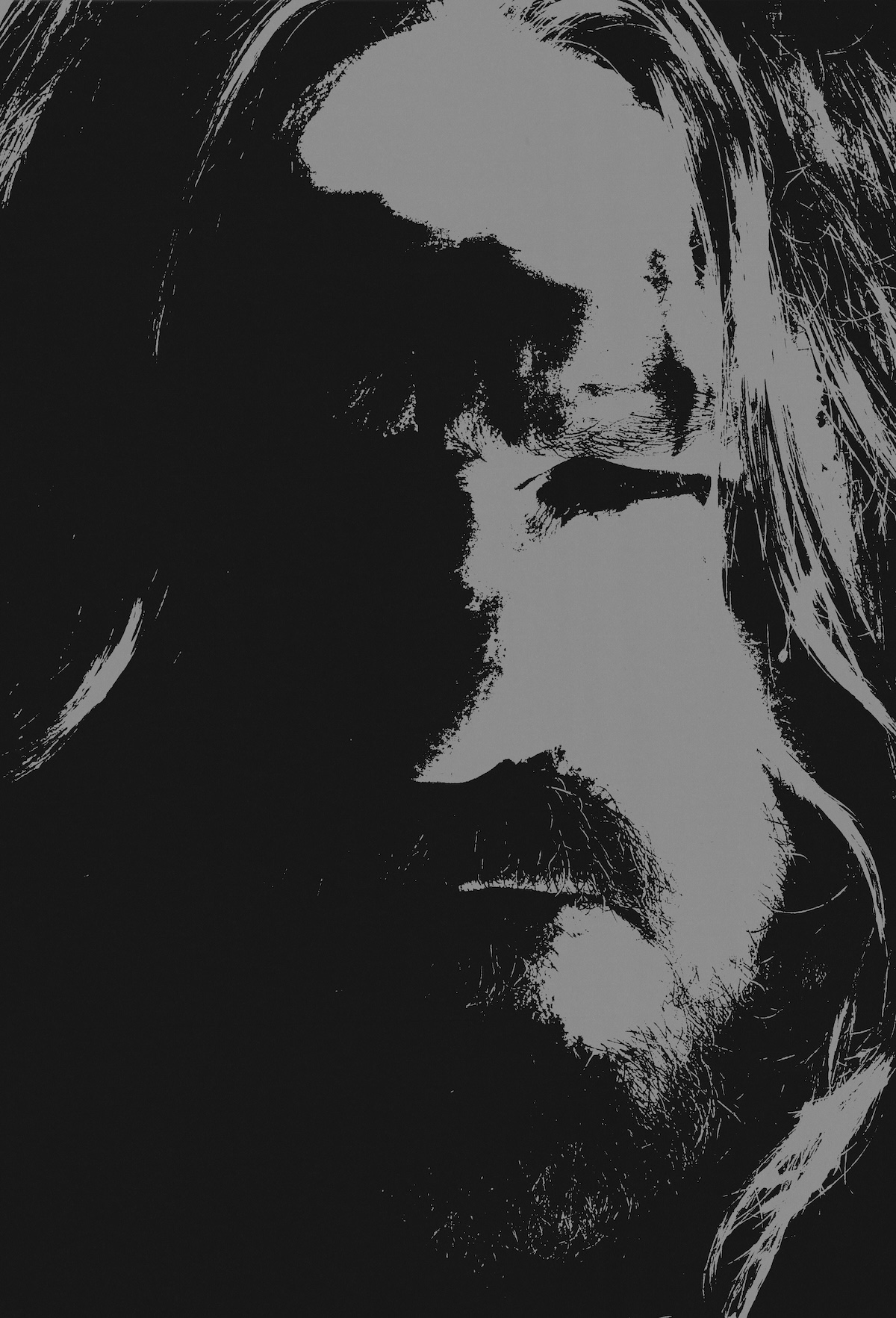
Foto: Sara Scanderebech
The booth is a strange place to observe all of this from. You’re an integral part of the night, but also slightly removed from it, watching how the room moves and trying to understand what it needs. Over the years I have learned to read a crowd the way you might read a face. There is the crowd that arrives ready, and there is the crowd that needs time, needs permission, needs someone to put themselves out there and go first. There is a moment, somewhere in the middle of a good night, when the collective decision gets made… when the room agrees, without anyone saying a word, that this is the night and now is the time. Those are the moments that I live for and the majority of my creative decisions are made in an effort to reach it.
Scale changes many things, but it honestly doesn’t change that particular moment. I have played in front of thousands and I have played for a few dozen. Sure, the mechanics are different, but what I am looking for is the same. If anything, the bigger rooms have taught me to value restraint. The nights that have stayed with me, not just as a DJ but as a listener too, are almost never the loudest ones. They are the ones where we trusted the music enough to strip something back and leave space. I have watched a room go completely over a record that is holding almost everything back, only because it was right. Right for that room in that hour, thanks to everything that had led up to it.
That is probably why I do not think too much in terms of old or new when I play. Of course I pay attention to what’s happening now. You have to. But I don’t want to play a record only because it belongs to the now. Some years everyone wants things faster, harder, more direct. That’s fine, and I do love that energy, but what I am really looking for is music with something underneath it. Something you can still feel when the fashion around it has changed. A record can be very simple and still carry a lot: a memory, a bit of sadness, a bit of joy, a certain truth about the human experience. Those are the records that stay useful to me over time.
But what I keep coming back to year after year is the people. A room full of strangers who arrived looking for something, even if they didn’t really know what it was. I don’t really take credit for what happens there, but I do try to create the right conditions. Typically, the music does the rest.
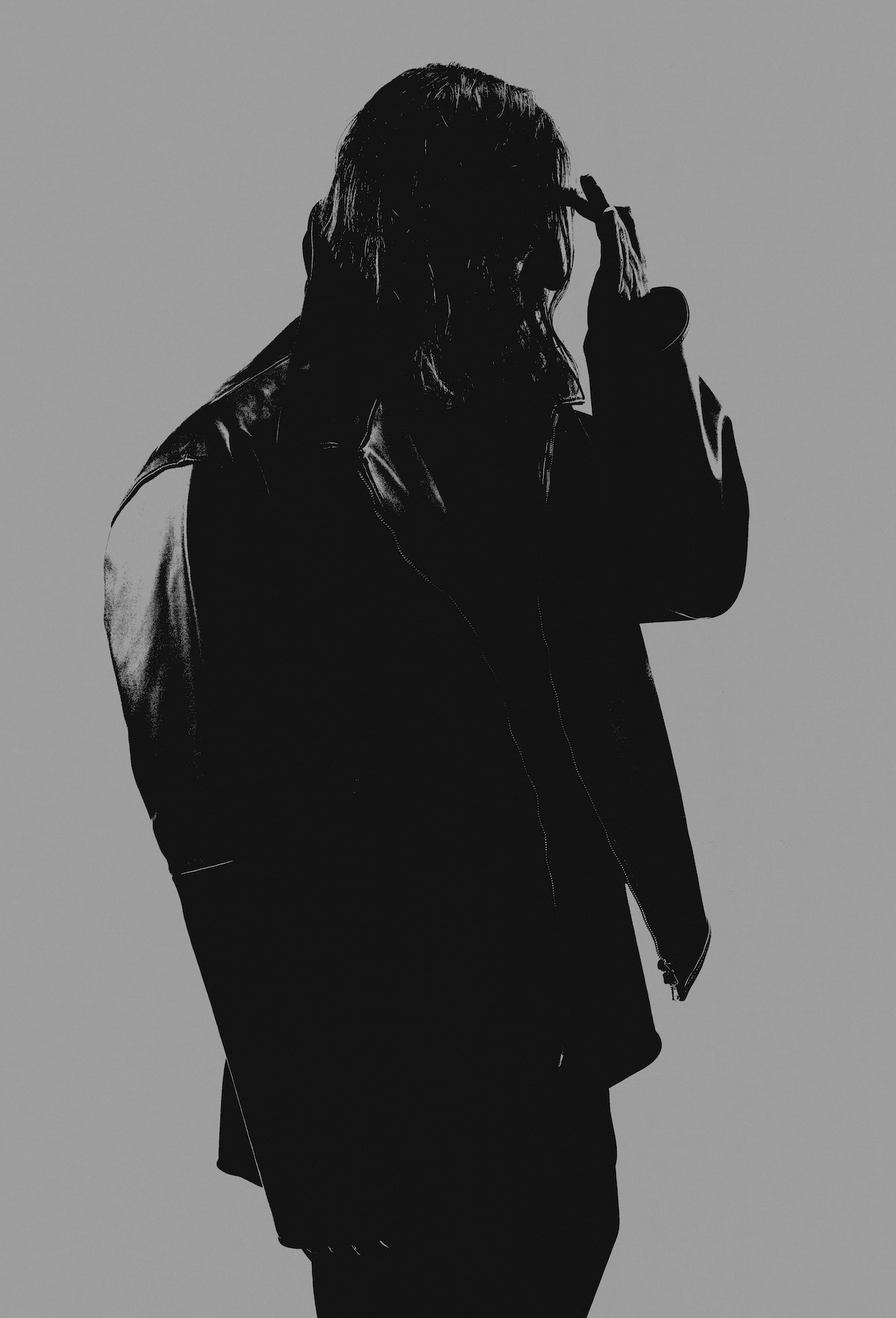
Foto: Sara Scanderebech
From the booth, that is what I still see. A culture that has changed in almost every visible way, while the reason for it has stayed very close to its roots. And those roots run deep. Dancing, drumming, gathering around a rhythm – these are among the oldest things humans do. Long before language, long before cities, people stood in circles and moved together. It’s written into our collective DNA. What we do in a club today is not a modern invention.
It’s a continuation. I see phones in the air, of course, but I also see people with their eyes closed, people finding commonalities with each other, people disappearing into themselves for a while. I see young faces discovering that feeling, you know the feeling, for the first time, and older faces returning to something they never really left. These are the things that have always left me feeling full.
That’s clubbing to me. Not necessarily an escape, but simply a reminder that we are not as separate as we sometimes feel.